Pigmentation Explained: Causes, Types & How to treat it

Blog

If you have ever looked in the mirror and noticed dark spots, uneven tone, or patches that just won’t fade, you are not alone. Pigmentation is one of the most common skin concerns, and it can be surprisingly complex.

Let’s break it down in a simple, no-confusion way so you can understand what your skin needs. And timing matters too, autumn and winter are the best seasons to treat pigmentation, as lower UV levels reduce the risk of triggering more pigment and help your results last longer.

So, what is pigmentation?

Pigmentation happens when your skin produces too much melanin (the pigment that gives your skin its colour). This excess melanin shows up as dark spots, patches, or an overall uneven tone.

The tricky part? Not all pigmentation is the same, even if it looks similar on the surface. And that’s exactly why the “one-size-fits-all” approach rarely works.

What Causes Pigmentation?

Pigmentation usually isn’t caused by just one thing, it’s a combination of factors, including:

  • Sun exposure (the biggest trigger)
  • Inflammation (like acne or irritation)
  • Hormonal changes
  • Genetics
  • A weakened skin barrier

Because there are multiple causes, treating pigmentation properly means taking a layered approach, not just relying on a single product or treatment.

The most common types of pigmentation

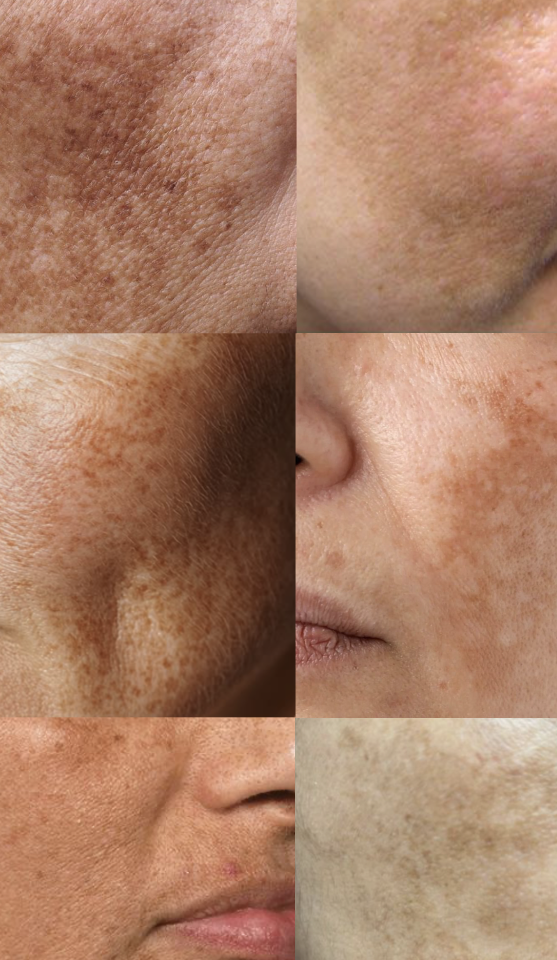
Melasma (Hormonal Pigmentation):

Melasma shows up as larger, symmetrical patches, usually on the cheeks, forehead, or upper lip.

It’s often linked to hormonal changes (like pregnancy or contraceptives) and worsens with sun exposure. This type can be stubborn and usually needs long-term management rather than a quick fix.

Sun Damage (Solar Lentigines):

These are your classic “sunspots”, flat, brown spots that appear after years of UV exposure. You will typically see them on areas that get the most sun: face, neck and hands.

Post-Inflammatory Hyperpigmentation (PIH):

Ever had a pimple that left a dark mark behind? That’s PIH.

It happens after acne, irritation, or any kind of skin trauma. Once the skin heals, it leaves behind lingering pigment, especially common in acne-prone skin.

Freckles:

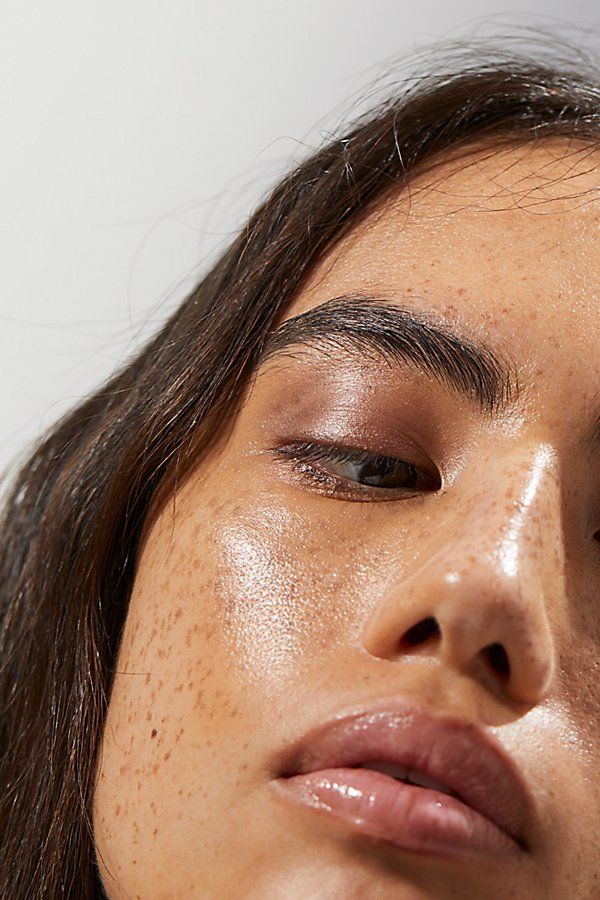
Freckles are smaller spots that are mostly genetic, but they darken with sun exposure and can fade when you are out of the sun for a while.

Prevention: The Foundation of Treatment

Before jumping into treatments, here’s the truth: if you are not preventing pigmentation, it will keep coming back. A good prevention routine includes:

  • Daily use of SPF 30-50 and regular reapplication
  • Minimising sun and heat exposure
  • Maintaining a strong skin barrier
  • Using gentle, targeted skincare
  • Treating acne early to prevent post-inflammatory pigmentation

Think of prevention as the foundation, everything else builds on top of it.
Pigmentation Treatments

LimeLight IPL (Intense Pulsed Light)

LimeLight IPL targets superficial pigmentation by breaking down excess melanin in the skin. It improves overall skin clarity and tone.

Best for:

  • Sunspots
  • Uneven skin tone
  • Superficial pigmentation

Chemical Peels

Chemical Peels use controlled exfoliation to reduce pigmented skin cells and stimulate renewal. They help to brighten the skin and improve texture.

Best for:

  • Mild pigmentation
  • Acne related marks
  • Skin dullness

Overnight Pigmentation Peel

This is targeted treatment designed to speed up skin renewal while helping regulate pigment production.

Key benefits:

  • Stimulates controlled skin renewal
  • Helps regulate melanin production
  • Improves overall skin clarity and brightness

Treatment plan:

  • Typically performed as a course of 3 sessions
  • Results build progressively with each treatment

Downtime:

  • Mild to moderate peeling of flaking
  • Usually lasts 3-5 days

Dermamelan Depigmentation Treatment 

Dermamelan is a medical-grade depigmentation program designed for more stubborn pigmentation, including melasma.

It combines an in-clinic treatment with a structured home care program to target pigmentation at its source and reduce recurrence.

Best for:

  • Melasma
  • Resistant pigmentation
  • Uneven skin tone that hasn’t responded to other treatments

Don’t Skip This: Your Home Care Routine

Professional treatments are only half the story. What you do at home is what maintains and maximises your results.

Your personalised routine may include:

  • Brightening ingredients such as Vitamin C and Tranexamic Acid
  • Anti-inflammatory support
  • Barrier-repair ingredients like ceramides and hydration
  • Daily sun protection

Consistency is key to maintaining and enhancing treatment results.

Why Skin Analysis Matters

We strongly encourage all clients to begin with a professional skin analysis.

This allows us to:

  • Identify your exact type of pigmentation
  • Understand the underlying causes
  • Avoid incorrect or overly aggressive treatments
  • Create a personalised treatment plan tailored to your skin

In short: the right diagnosis leads to the right results.

Ready to Start Your Skin Journey?

If pigmentation has been bothering you, the first step is understanding what’s actually happening in your skin.

Book a free consultation with the team at The Lime Tree Clinic and get a personalised treatment plan designed just for you.

Your skin deserves more than guesswork and the right approach can make all the difference.